A
Activity Descent
Gradually reducing cognitive and physical stimulation through your selected evening habits creates a natural progression toward rest without abrupt transitions.
This page covers general lifestyle education on how evening habit choices relate to your personal wind-down routine. Content is informational only — we do not address health conditions, sell products, or promise specific outcomes.
Wind-Down Connection
The final segment of your evening can serve as a bridge between active habits and your planned rest period. Selecting bridge activities is one topic covered in our non-medical consulting guidance.
A
Gradually reducing cognitive and physical stimulation through your selected evening habits creates a natural progression toward rest without abrupt transitions.
B
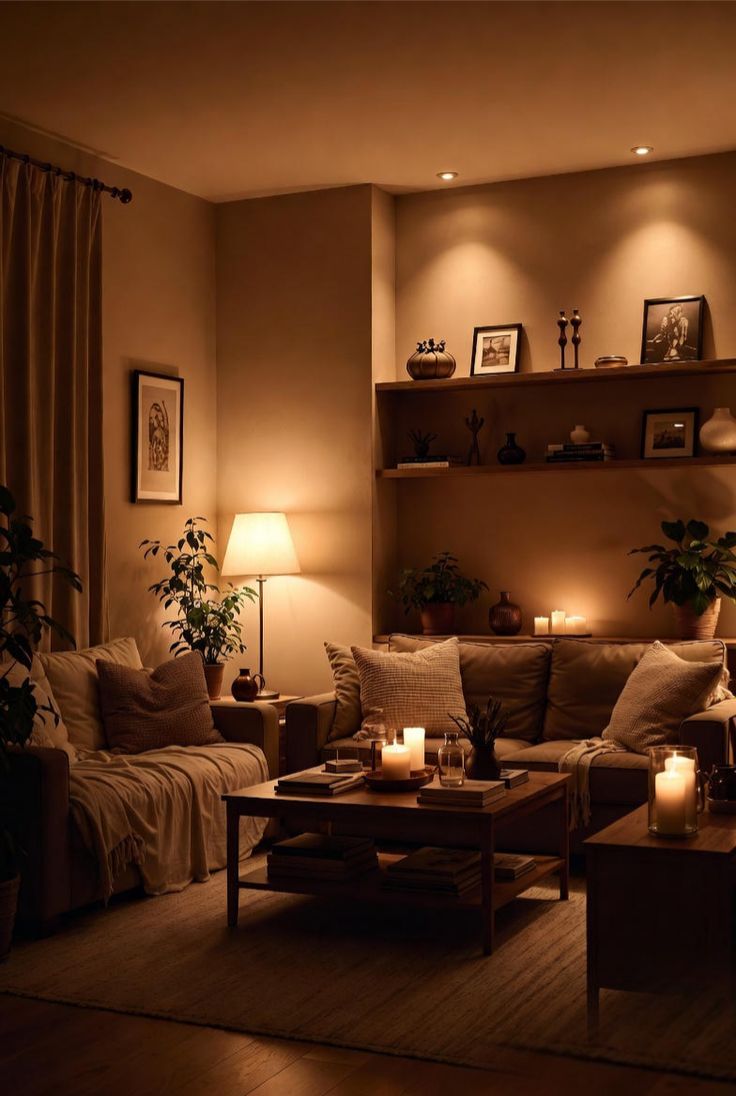
Consistent evening habits paired with environmental changes — dimming lights, adjusting room temperature, reducing noise — can help mark the transition toward your planned rest period as part of a personal routine.
C
Habits like journaling or tomorrow-planning help create a sense of completion for the day, reducing the tendency to carry unresolved thoughts into the rest period.
Environment Factors
Warm, low-intensity lighting in the final hour of evening activity signals the approaching rest period. We discuss practical lighting adjustments compatible with various home setups.
Room temperature preferences vary individually. Our materials help you identify comfortable settings and incorporate temperature adjustments into your evening habit sequence.
From white noise machines to quiet hours agreements with household members, sound environment plays a role in how effectively your evening habits transition into rest preparation.
Timing Guidance
When you begin your wind-down sequence matters as much as what activities you include. These principles help align timing with your natural evening rhythm.
90 Minutes Before
Engage in your primary evening habits — creative work, social connection, meal preparation. This phase maintains moderate engagement levels.
60 Minutes Before
Shift to lower-stimulation activities. Reduce screen exposure, begin environmental adjustments, and start reflective practices if included in your plan.
30 Minutes Before
Final preparations for rest — hygiene routines, setting out morning items, brief reading or breathing exercises as selected in your personalized plan.
Consistency Principles
Identify one or two evening habits that remain constant regardless of daily variation. These anchors provide stability when other elements of your routine must flex.
Weekend evenings often differ from weekday patterns. We guide you in maintaining core preparation elements while allowing appropriate schedule flexibility.
Daylight changes across seasons affect when evening begins. Our materials include guidance on adjusting habit timing without abandoning your selected framework.
A simple log noting which evenings felt more settled and which habits preceded them can help refine your selection over time through personal observation — not clinical assessment.
Habit Integration
Evening journaling can be paired with progressive light reduction. The writing activity occupies attention while environmental changes mark the transition in your personal routine.
Light stretching followed by transitioning from active audio to ambient sound or silence creates a physical and auditory descent toward rest.
Physical book reading with pre-established device cutoff times combines an engaging habit with clear digital boundaries for the final evening segment.
Questions
No. This content covers general evening habit selection and wind-down routine planning for lifestyle purposes only. It is not intended for individuals with diagnosed conditions or those requiring clinical intervention. Please consult a licensed medical professional for health-related concerns.
Our general educational framework suggests beginning transition activities 60–90 minutes before your intended rest time. During consulting, we help you determine a specific window based on your selected habits and personal observations.
Yes. Your evening habit plan is designed for iterative refinement. We encourage noting patterns over several weeks before making adjustments, and our follow-up consulting sessions support this review process.
Contact our consulting team for general educational guidance on linking evening routines with a wind-down sequence suited to your lifestyle. No outcomes are guaranteed. Paid fees disclosed before purchase.